History & Survival
The Rise and Survival of the Republic of Dubrovnik
How did a small city-state survive for centuries among empires far stronger than itself?
While others expanded through conquest, Dubrovnik chose a different path - one built on diplomacy, intelligence, and an extraordinary understanding of power.
This is the story of the Republic of Dubrovnik, also known as Ragusa: a city that mastered the art of survival.
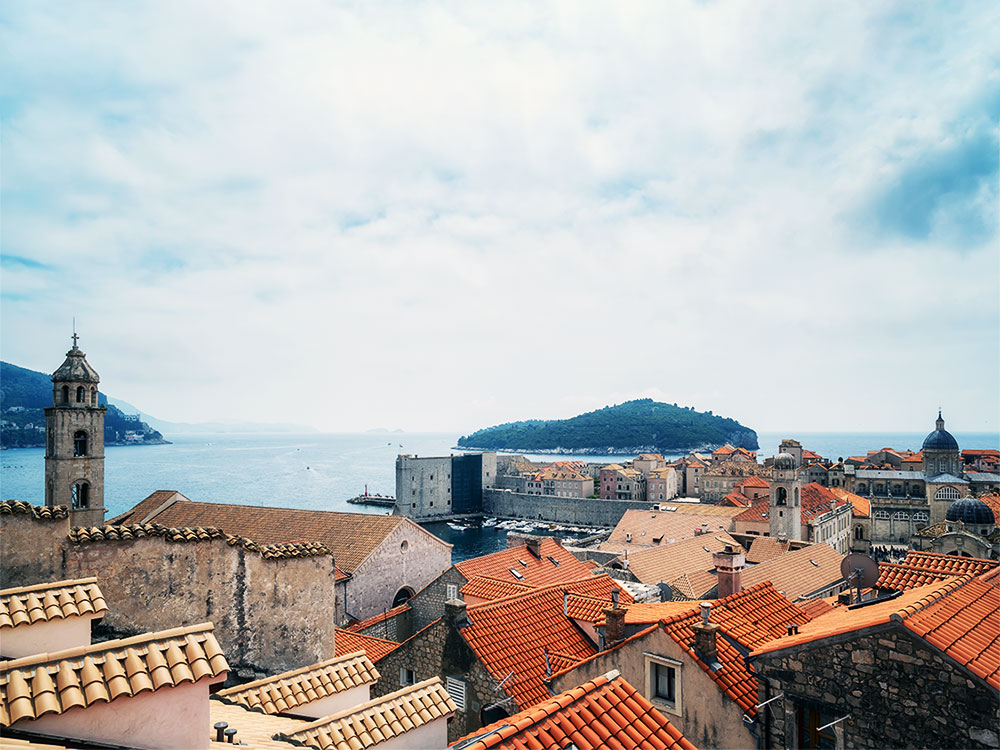
A Small City Between Giants
For centuries, Dubrovnik stood between some of the most powerful forces of its time:
Venice, the Ottoman Empire, the Habsburg Monarchy, Spain, Naples – all watching, all calculating.
Dubrovnik had no vast army and no ambition to conquer territory. What it had instead was something far more valuable: strategic awareness.
The city understood its limits – and turned them into strengths.
Freedom as a Political Strategy
The Republic of Dubrovnik was built on one radical principle: freedom was not taken by force, but preserved through balance.
Paying tribute to the Ottoman Empire while maintaining Western trade routes.
Serving as a neutral mediator between East and West.
Keeping foreign powers close, but never too close.
This delicate diplomacy allowed Dubrovnik to remain independent for centuries – an almost unheard-of achievement for a city of its size.
Freedom here was not an abstract ideal.
It was a carefully managed system.
Trade, Intelligence, and Information
Dubrovnik’s wealth came from the sea.
Its ships sailed across the Mediterranean and beyond, carrying goods, letters, and information. Dubrovnik’s merchants were diplomats, spies, and negotiators all at once.
The Republic invested heavily in:
- maritime law,
- education,
- multilingual diplomacy,
- information networks.
Knowledge, more than weapons, protected the city.
Order, Discipline, and Control
Life inside the Republic was strictly regulated.
Public health systems, quarantine laws, building codes, and political rules were established early – often before other European states considered them necessary.
These measures were not signs of restriction, but of foresight.
Survival required discipline.
And discipline created stability.
When the Republic Fell – But the City Did Not
The Republic of Dubrovnik officially ended in 1808, with Napoleon’s arrival.
But the city did not disappear.
Its political system collapsed, yet its mindset endured: adaptability, intelligence, and restraint continued to shape Dubrovnik long after the Republic was gone.
The walls remained.
The streets remained.
So did the memory of how survival once worked here.
Why the Republic of Dubrovnik Still Matters Today
Understanding Dubrovnik without understanding its Republic is impossible.
The city’s calmness, its caution, its quiet pride – all come from centuries of surviving without aggression, yet without submission.
This legacy explains why Dubrovnik feels different.
Why it resists being reduced to a backdrop.
Why its stories are layered, subtle, and deeply human.
Linked Stories Within the City
Dubrovnik is not a museum – it is a city that learned how to survive by adapting, even when that adaptation meant letting parts of itself go.
The Republic may be gone, but its logic remains – written into stone, streets, and decisions still being made.
A Story of Balance, Not Power
The Republic of Dubrovnik reminds us that history is not only shaped by those who dominate.
Sometimes it is shaped by those who observe carefully, negotiate wisely, and know exactly when to speak – and when to stay silent.
For centuries, that was Dubrovnik’s greatest strength.
And perhaps, it still is.
More Stories About Dubrovnik
Explore more essays about Dubrovnik’s history, daily life, and the forces that shaped the city - from diplomacy and survival to seasons, silence, and life behind the stone walls.
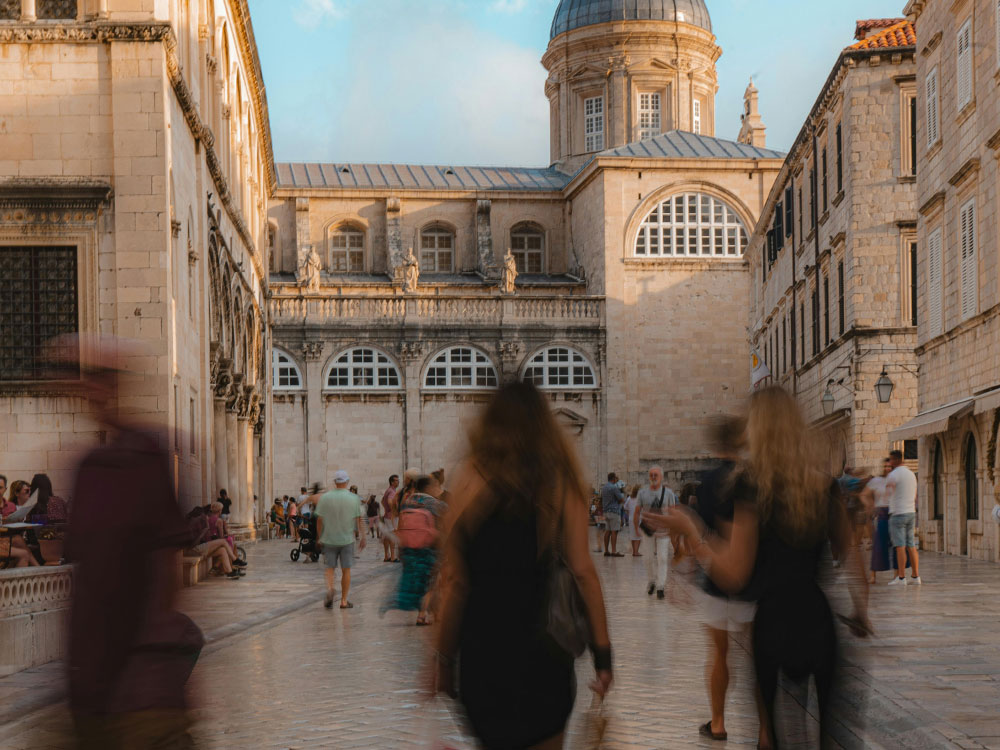
Linivng Dubrovnik
Dubrovnik Is Not a Museum: How the City Still Lives
A closer look at life inside the Old City - beyond the crowds, seasons, and postcard image.
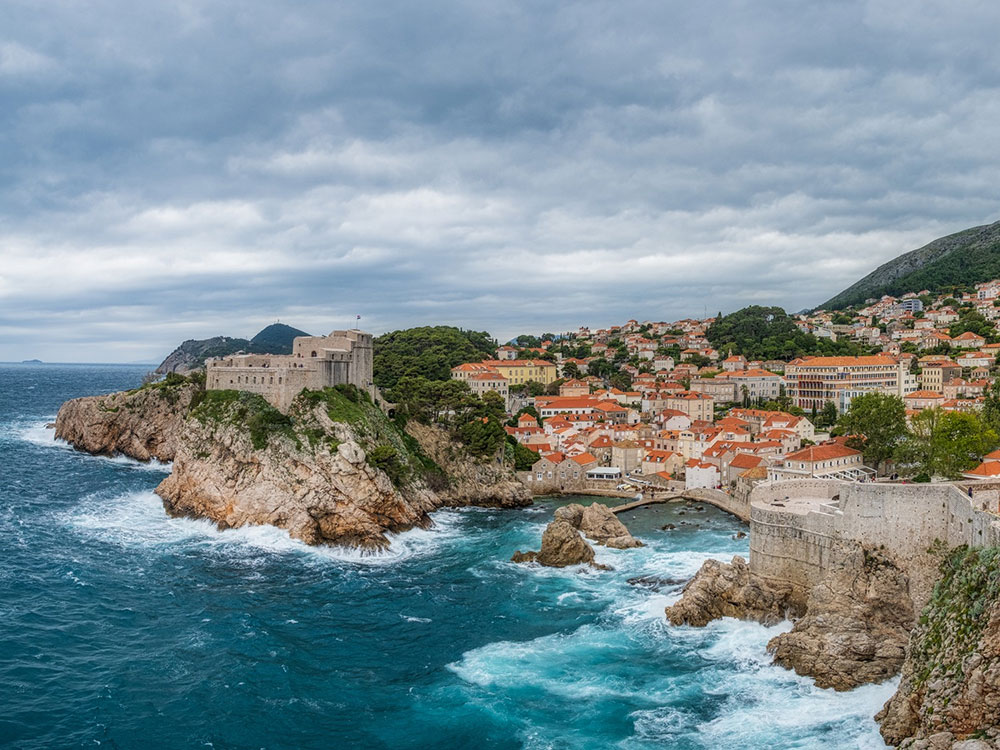
Nature & the City
Bura, Jugo and the Winds That Shaped Dubrovnik
The winds that shaped daily life, architecture, and the rhythm of the city.