Linivng Dubrovnik
Dubrovnik Is Not a Museum: How the City Still Lives
Many people describe Dubrovnik as a museum. Beautiful. Preserved. Frozen in time.
But Dubrovnik is not frozen - even if it often looks that way from the outside.
The truth is more complex, more fragile, and far more interesting.
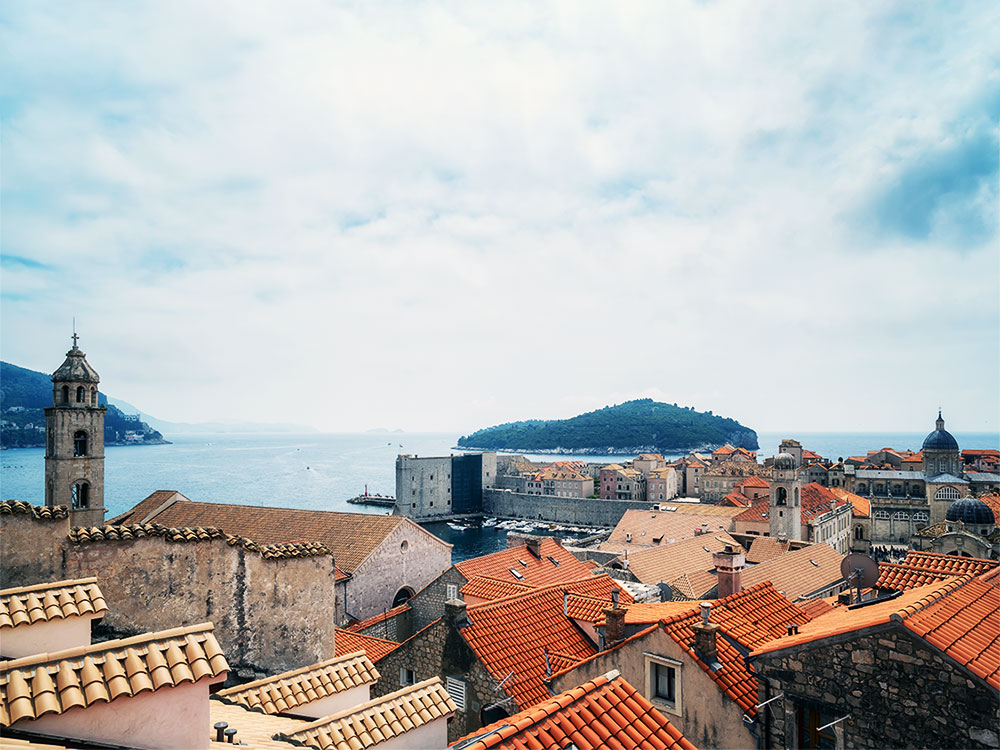
A Living City – With Fewer Residents Than Before
Today, around 1200 people live inside Dubrovnik’s Old City walls.
Generations of locals have slowly moved out – pushed by real estate prices and the realities of modern life. Many family homes became apartments, shops, or restaurants. Others simply fell silent.
So no – this is not a city where “no one ever left.”
And yet, despite everything, Dubrovnik still lives.
Not loudly.
Not constantly.
But persistently.
What Remains Behind the Stone Walls
Life in Dubrovnik did not disappear – it changed form.
Those who stayed adapted, just as their ancestors once did when facing earthquakes, plagues, sieges, and shifting empires. Survival was never about numbers; it was about resilience.
Early in the morning, before visitors arrive, you still find:
- shutters opening on familiar streets
- neighbours greeting each other by name
- the echo of footsteps on empty stone
This quieter rhythm reveals something essential: Dubrovnik was built to endure, not to perform.
Dubrovnik in Summer vs. Dubrovnik in Winter
There are, in reality, two Dubrovniks.
Summer Dubrovnik
Lively. Crowded. Intense.
Full restaurants, open terraces, voices in dozens of languages.
Energy spills through every street.
Winter Dubrovnik
Silent. Intimate. Almost asleep.
Many restaurants close. Streets empty.
And suddenly – something rare happens.
Walking through the Old City in winter feels like stepping into another century. Without crowds, without modern noise, without urgency, the stone speaks louder than words.
Time slows down.
You become deeply aware of the centuries surrounding you – and of your own presence within them.
A City That Breathes With the Seasons
Winds like bura and jugo still shape daily life.
Stone still remembers earthquakes and wars.
Winter still demands patience and respect.
Dubrovnik does not try to hide its vulnerability – and that is part of its beauty.
In winter especially, the city feels less like a destination and more like a conversation between stone, sea, and memory.
Why Dubrovnik Is Not a Museum
A museum preserves the past by isolating it.
Dubrovnik survives by continuing to adapt – even when that adaptation is painful, slow, or imperfect.
History here is not behind glass.
It is under your feet, above your head, and woven into daily choices.
That is why those who truly know Dubrovnik understand it best through stories – not checklists.
Seeing Dubrovnik Through Stories
To truly understand why Dubrovnik survived while many other cities disappeared, it helps to look at the story of the Republic of Dubrovnik – a small but remarkably skilled state built on diplomacy, adaptability, and balance between powerful empires.
To understand Dubrovnik means understanding:
- why so many left,
- why some stayed,
- how seasons change the soul of the city,
- and how silence can be as meaningful as crowds.
Dubrovnik is not a museum.
It is a living city – sometimes loud, sometimes fragile, sometimes asleep – but always real.
And its story is still being written.
More Stories About Dubrovnik
Explore more essays about Dubrovnik’s history, daily life, and the forces that shaped the city - from diplomacy and survival to seasons, silence, and life behind the stone walls.
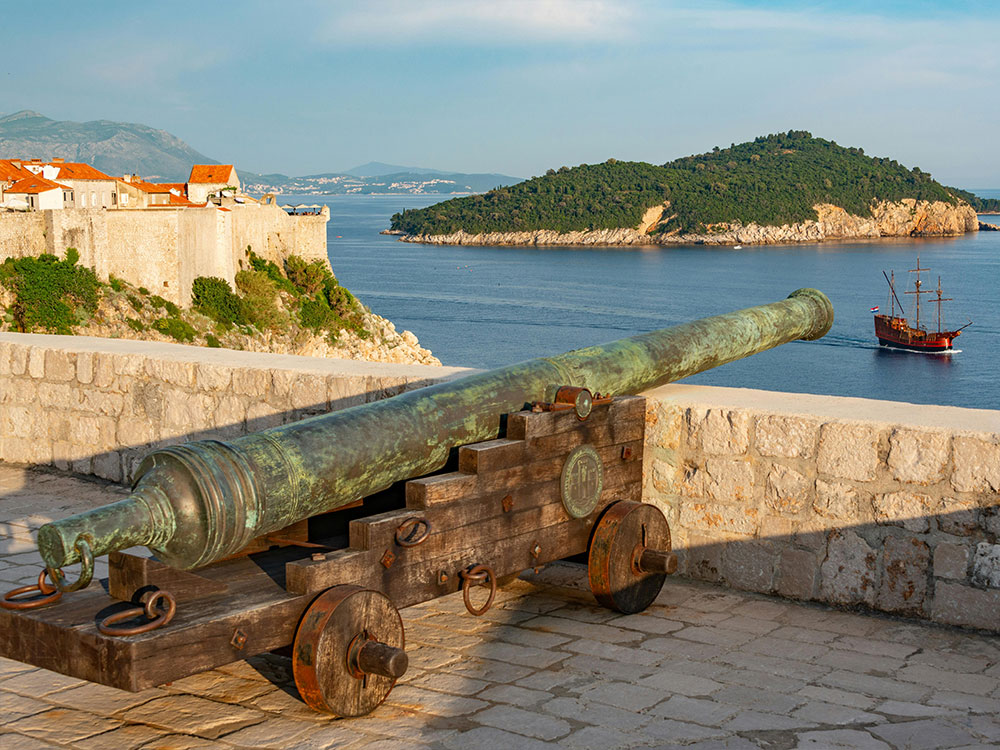
History & Survival
The Rise and Survival of the Republic of Dubrovnik
How a small city-state survived for centuries through diplomacy, intelligence, and balance.
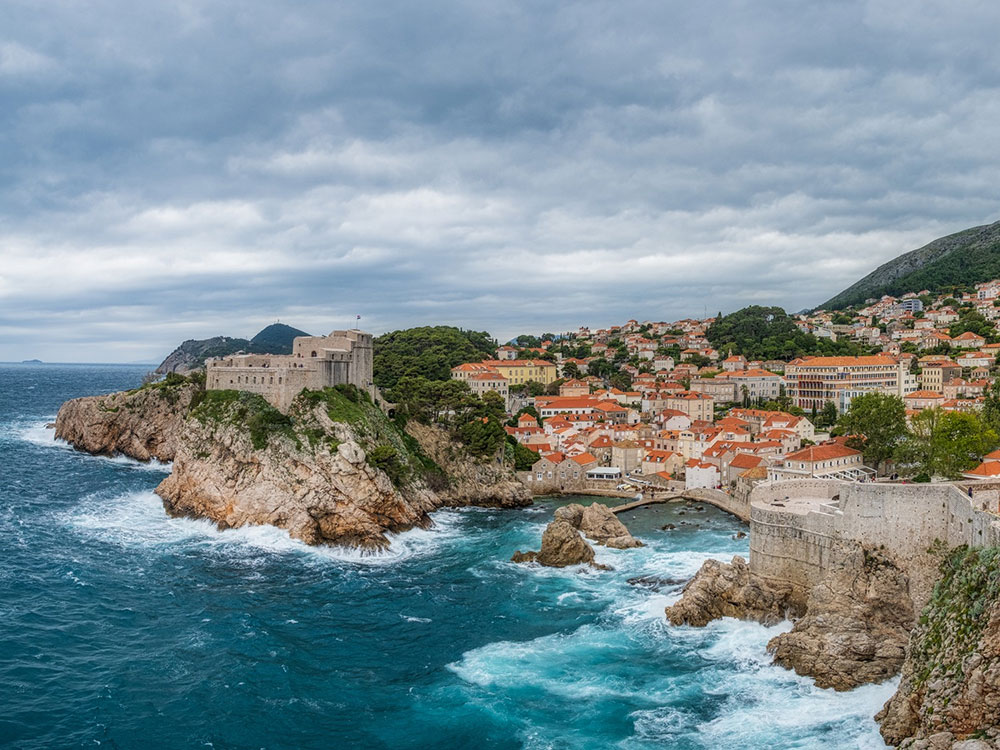
Nature & the City
Bura, Jugo and the Winds That Shaped Dubrovnik
The winds that shaped daily life, architecture, and the rhythm of the city.