Nature & the City
Bura, Jugo and the Winds That Shaped Dubrovnik
To live in Dubrovnik is to live with the wind.
Here, weather is not a background detail. It is a presence - felt in the sea, the stone, the streets, and even in the mood of the city.
Two winds, in particular, have shaped Dubrovnik for centuries: bura and jugo.
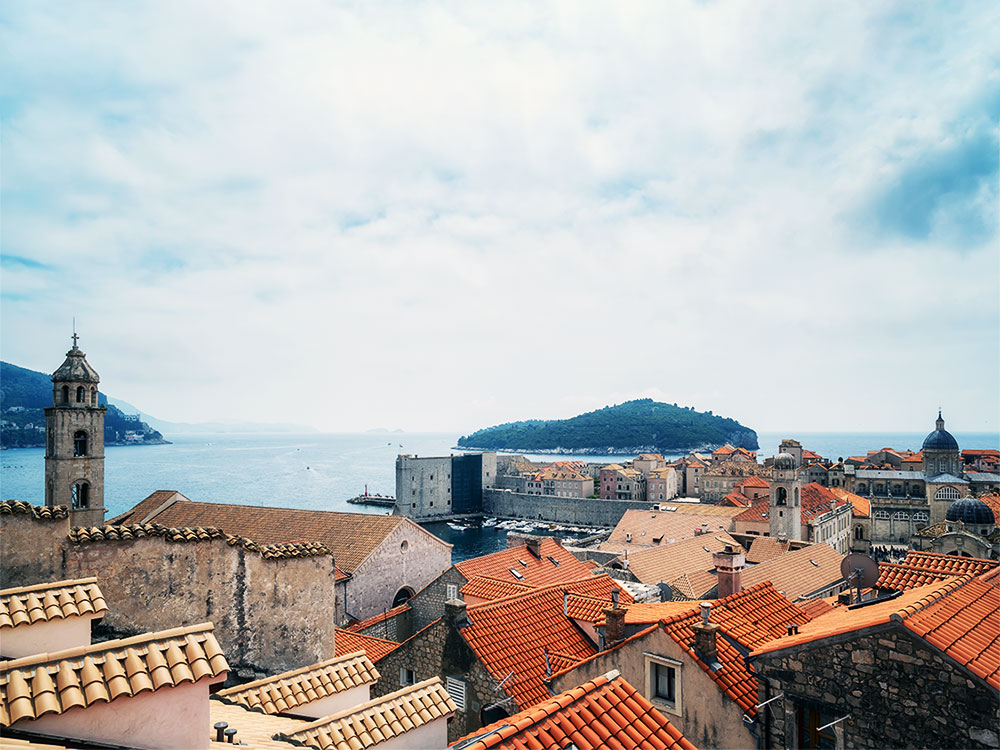
Bura: Clear, Cold, Uncompromising
Bura arrives without hesitation.
Cold, dry, and powerful, it rushes down from the mountains toward the sea, stripping the air of humidity and leaving Dubrovnik sharp, clear, and exposed.
On days of bura:
- the sea smokes
- voices carry further
- the city feels suddenly ancient
For sailors, bura demanded respect.
For locals, it demanded preparation.
It cleans the sky, sharpens the light, and reminds the city of its vulnerability.
Jugo: Slow, Heavy, Unsettling
If bura is abrupt, jugo is patient.
Warm, humid, and persistent, jugo builds slowly – bringing clouds, rain, and a sense of restlessness. Conversations become quieter. Movements slower. The sea darker.
In Dubrovnik, jugo is more than weather.
It is a collective state of mind.
People speak less.
Plans remain flexible.
Stone absorbs the moisture – and with it, the weight of time.
Reading the Wind Meant Survival
Centuries ago, understanding the wind was not poetic – it was essential.
Merchants, sailors, builders, and diplomats knew that a wrong decision at sea could cost lives and fortunes. Ships waited. Routes changed. Timing mattered.
Dubrovnik’s prosperity depended on reading nature correctly.
This sensitivity to external forces – weather, politics, trade – became part of the city’s identity.
Adaptation was never a weakness here.
It was a skill.
Stone, Orientation, and Architecture
Even Dubrovnik’s architecture reflects an understanding of wind.
Narrow streets provided shelter.
Stone absorbed heat and cold.
City walls not only defended against enemies, but also against the elements.
Nothing here was accidental.
The city learned where to open itself – and where to protect.
Summer Winds and Winter Silence
Just like Dubrovnik itself, the winds reveal different cities in different seasons.
Summer Dubrovnik
The wind offers relief from heat, movement among crowds, and salt in the air.
Winter Dubrovnik
The wind dominates.
Streets empty.
Sound carries differently.
Walking through the Old City in winter, guided only by wind and footsteps, feels like stepping into a time before technology – when stone, air, and silence shaped perception.
Dubrovnik in summer and Dubrovnik in winter are not just seasons.
They are two different cities.
The Wind and the City’s Character
Dubrovnik learned patience from jugo.
Clarity from bura.
Humility from both.
Perhaps this is why the city never relied on brute force – but on observation, balance, and restraint.
Wind taught Dubrovnik how to wait.
Stories Written in Air and Stone
To understand Dubrovnik, it helps to understand the forces that shaped it beyond politics and walls.
The city’s quiet resilience today mirrors the same mindset that once allowed the Republic of Dubrovnik to survive between empires.
And its seasonal rhythm explains why Dubrovnik still lives – even when quieter, emptier, or temporarily asleep.
Winds You Feel – Not Just Hear About
Many of these stories are still present – not as facts, but as sensations.
This is often what surprises visitors most: how Dubrovnik feels once you learn to read it.
On our storytelling walks, winds, silence, stone, and history all become part of the narrative – quietly shaping how the city reveals itself.
More Stories About Dubrovnik
Explore more essays about Dubrovnik’s history, daily life, and the forces that shaped the city - from diplomacy and survival to seasons, silence, and life behind the stone walls.
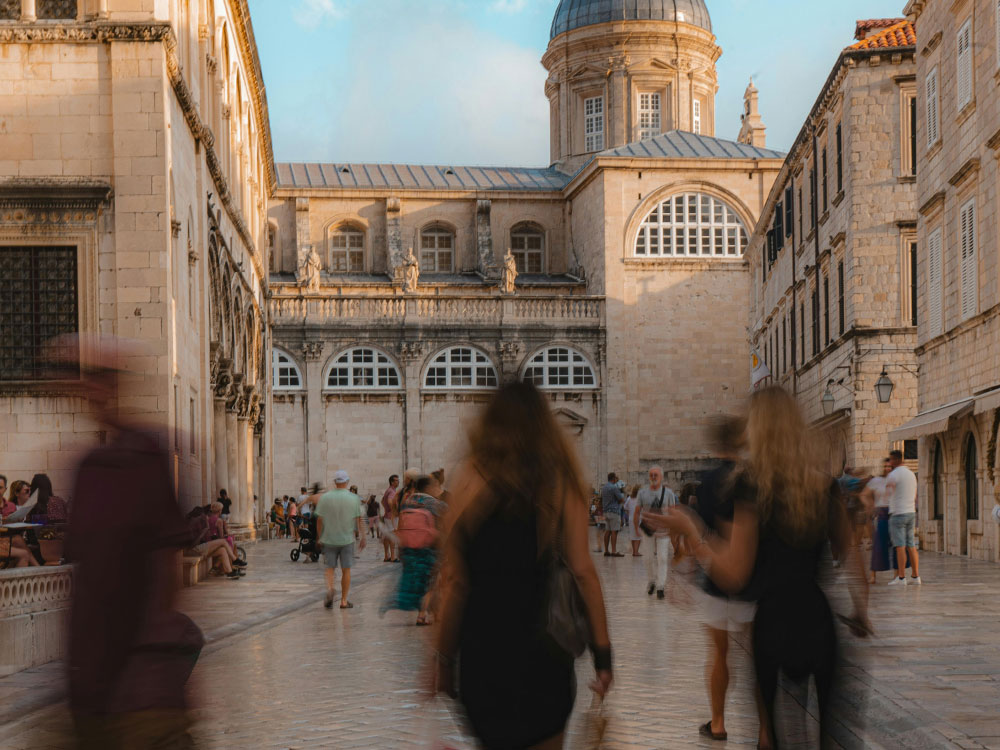
Linivng Dubrovnik
Dubrovnik Is Not a Museum: How the City Still Lives
A closer look at life inside the Old City - beyond the crowds, seasons, and postcard image.
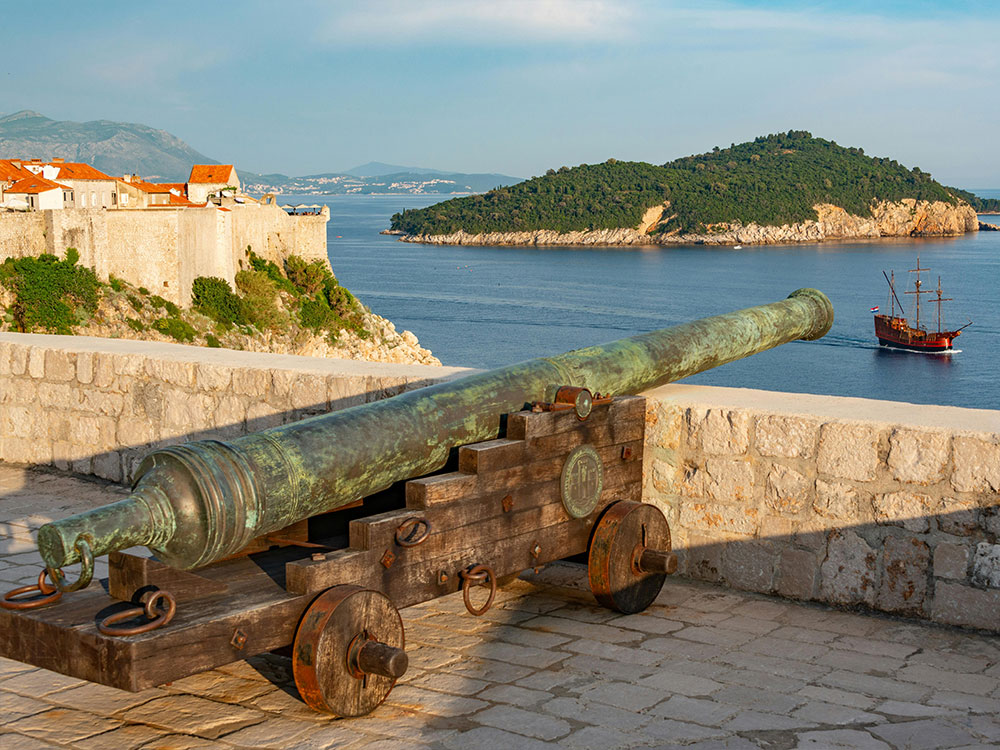
History & Survival
The Rise and Survival of the Republic of Dubrovnik
How a small city-state survived for centuries through diplomacy, intelligence, and balance.